Editorial:Stockholm, Sweden – Think of the old picture of democracy. You go to a polling station. You pick a party.
The party with the most votes wins. It forms a government. The government does what it promised. You can throw them out next time if they don’t.
That picture is wrong. Not everywhere. Not always. But often enough that millions of Europeans now feel something they can’t quite name.
A quiet robbery. They show up. They vote. And what comes out the other end is not what they chose.
We are writing this series because that feeling is real. It is not confusion. It is not apathy. It is not ignorance of how the system works.
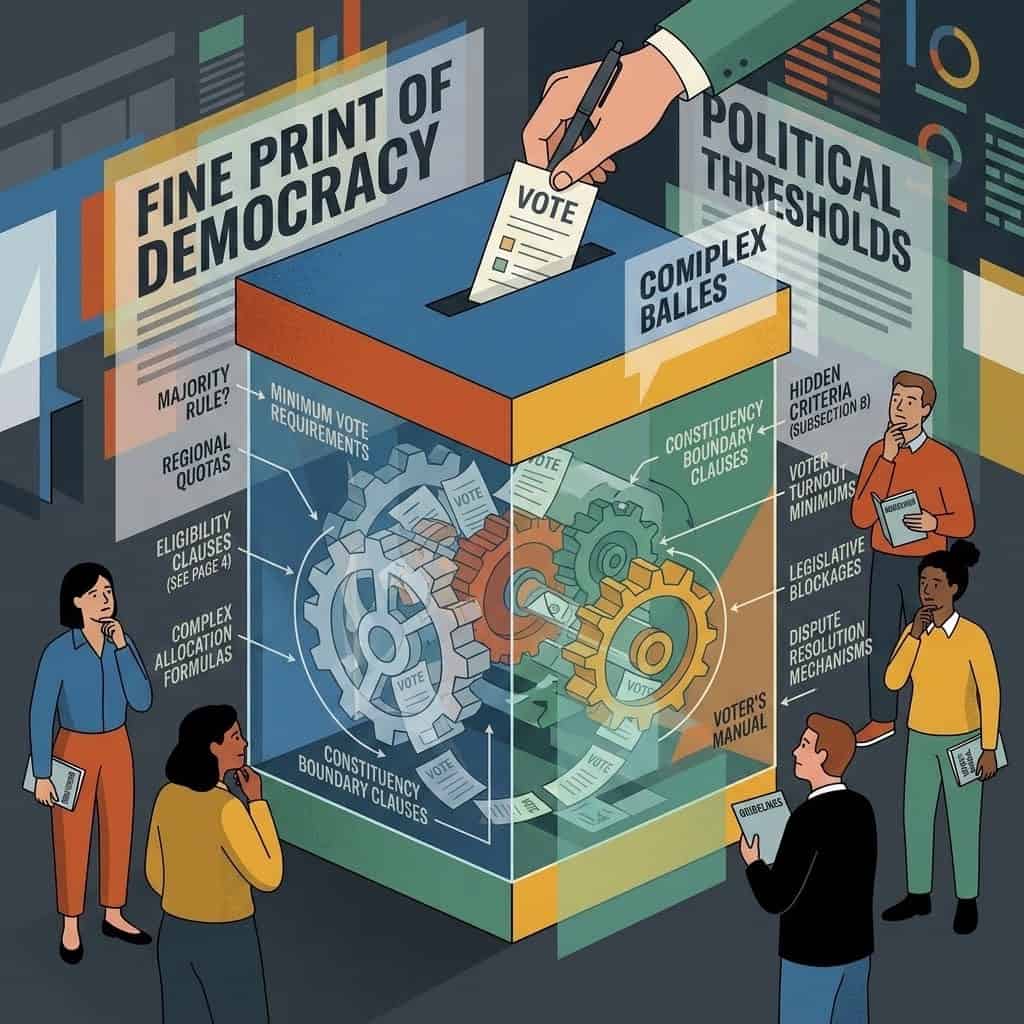
It is the rational response to a system that asks you to choose, then filters your choice through thresholds, firewalls, coalition math, and deals made in rooms you will never enter.
The European voter has become a spectator in their own democracy. They are allowed to cheer. They are not allowed to pick the team that actually plays.
What we are doing
In six articles, we will look at four countries where this gap has become impossible to ignore: Sweden, Germany, France, and the Netherlands. Different systems. Different histories. Same outcome.
In each one, voters showed up. They picked a direction. And then the machine produced something else.
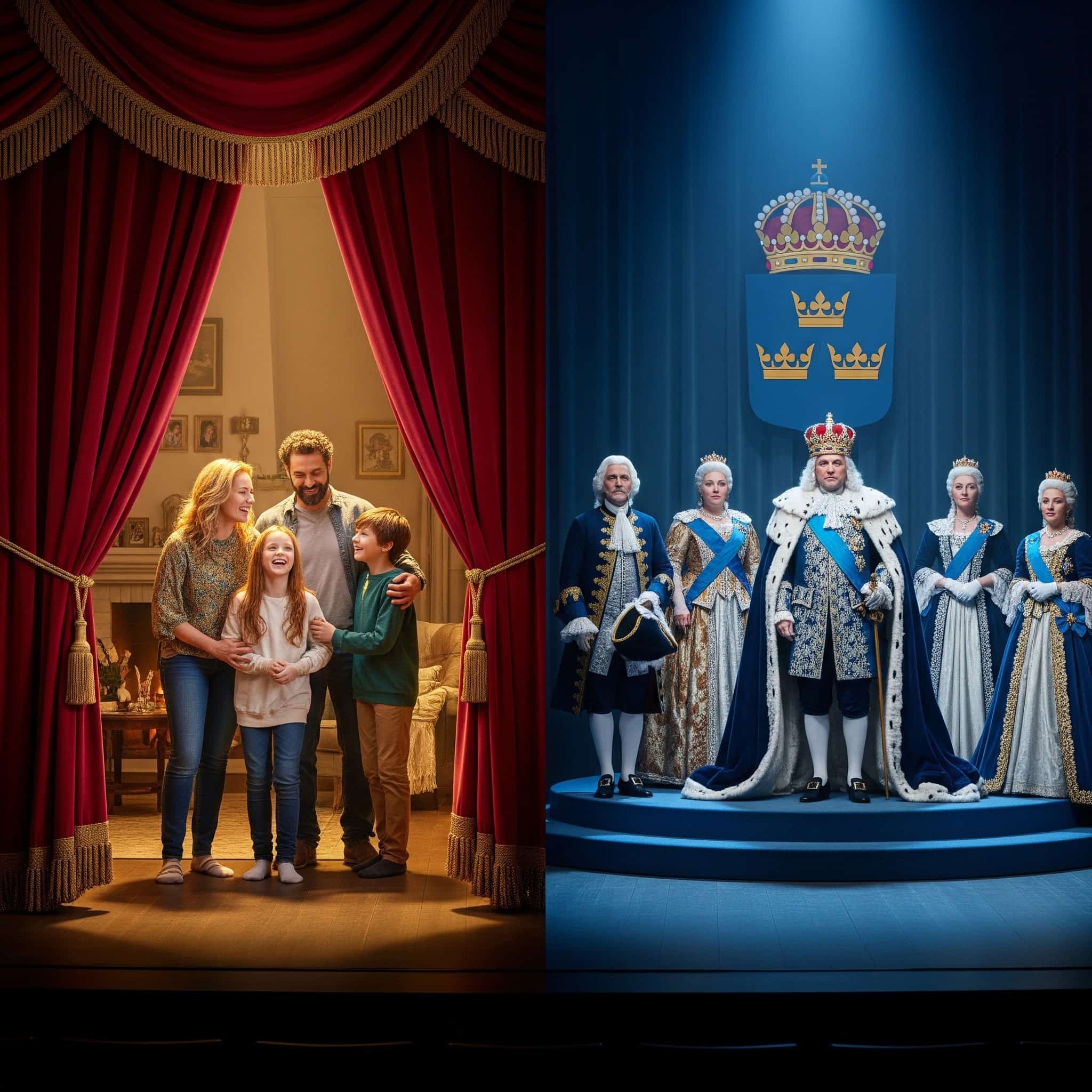
Sweden’s Social Democrats won the most votes in 2022. They went into opposition. The Moderates, with less than 20 percent of the vote, produced the prime minister.
The Sweden Democrats (not democratic in action), a party every other party had promised to never work with, ended up driving the government’s agenda from the second row.
Germany’s conservatives won in 2025. The far-right Alternative for Germany came second with over 20 percent. Every other party refused to work with them.
So the conservatives formed a grand coalition with the party that had just suffered its worst defeat in decades. The second-place voters got nothing.
France’s left won the most seats in 2024. The president refused to let them govern. A party with 47 seats produced the prime minister.
Then the government collapsed. Then another one formed. France has burned through four prime ministers while the voters who won the election watched from the sidelines.
The Netherlands gave Geert Wilders the largest party in 2023. He couldn’t find partners.
When he finally did, he gave up the prime minister’s job to an unelected civil servant. The government collapsed in under two years. In 2025, his party tied for first place and was excluded again.
Why now
This is not a new problem. Parliamentary systems have always worked this way. Coalition government is not a bug.
It is the design. Stability over direct control. Compromise over clarity. Negotiation over votes.
But something has changed. Voters have noticed. And they are angry.
An Ipsos survey across nine Western countries found that Sweden is the only one where a majority still feels satisfied with how democracy works .
In France, 86 percent are worried about the future of democracy . In the Netherlands, trust in parliament hit a record low .
The gap between what voters choose and what they get has become too wide to ignore.
This is not about left versus right. Voters on every side feel it. Sweden Democrats voters watched their party gain massive influence while being treated like a pariah.
German AfD voters watched 20 percent of the vote get locked out of power. French left voters watched their winning coalition get denied the government.
Dutch Wilders’ voters watched their leader hand the keys to someone they never voted for.
The system is not broken. It is working as designed. The design just does not prioritize what voters think it prioritizes.
What we are asking
We are not here to sell you a conspiracy. The mechanisms are public. The deals are published. The rules are written down. You can read them.
We are here to ask a harder question.
If the process is transparent, if the rules are known, if the deals are reported – and voters still feel cheated – is transparency enough?
If you can vote, and your vote counts, and the government that emerges is one you did not choose and cannot control – is that democracy, or just the feeling of it?
We do not have a tidy answer. We have six articles, four countries, and a lot of voters who are tired of being told they do not understand their own democracy.
They understand it fine. That is the problem!
Next check the first article–You Voted. Someone Else Chose. How Europe’s system turns your ballot into a starting position
Other articles in the series: Is ballot democracy still democracy?
When the voters cast their ballots however, it’s the seats and blocs that count in parliament…Not forgetting closed door negotiations for government formation, and a PM whom in some cases ended up being an unelected civil servant.
All articles in the series including the editorial explain the pertinent questions like the why and how’s and present a solution to the question of democracy through electoral voting in some European nations.
Hope you find them of any help… and that would make us at EuroContinentalDispatch.com(The voice of the unheard majority on the European continent) glad!
https://eurocontinentaldispatch.com/articles/the-firewall-when-everyone-agrees-to-ignore-millions
https://eurocontinentaldispatch.com/articles/the-promise-they-broke
https://eurocontinentaldispatch.com/articles/the-4-the-5-and-the-votes-that-vanish
https://eurocontinentaldispatch.com/articles/what-would-actually-fix-this
https://eurocontinentaldispatch.com/articles/sweden-votes-tomorrow-will-it-be-2022-all-over-again
https://eurocontinentaldispatch.com/articles/you-voted-someone-else-chose-how-europes-system-turns-your-ballot-into-a-starting-position
https://eurocontinentaldispatch.com/articles/the-quiet-robbery-why-your-vote-keeps-losing-to-the-fine-print